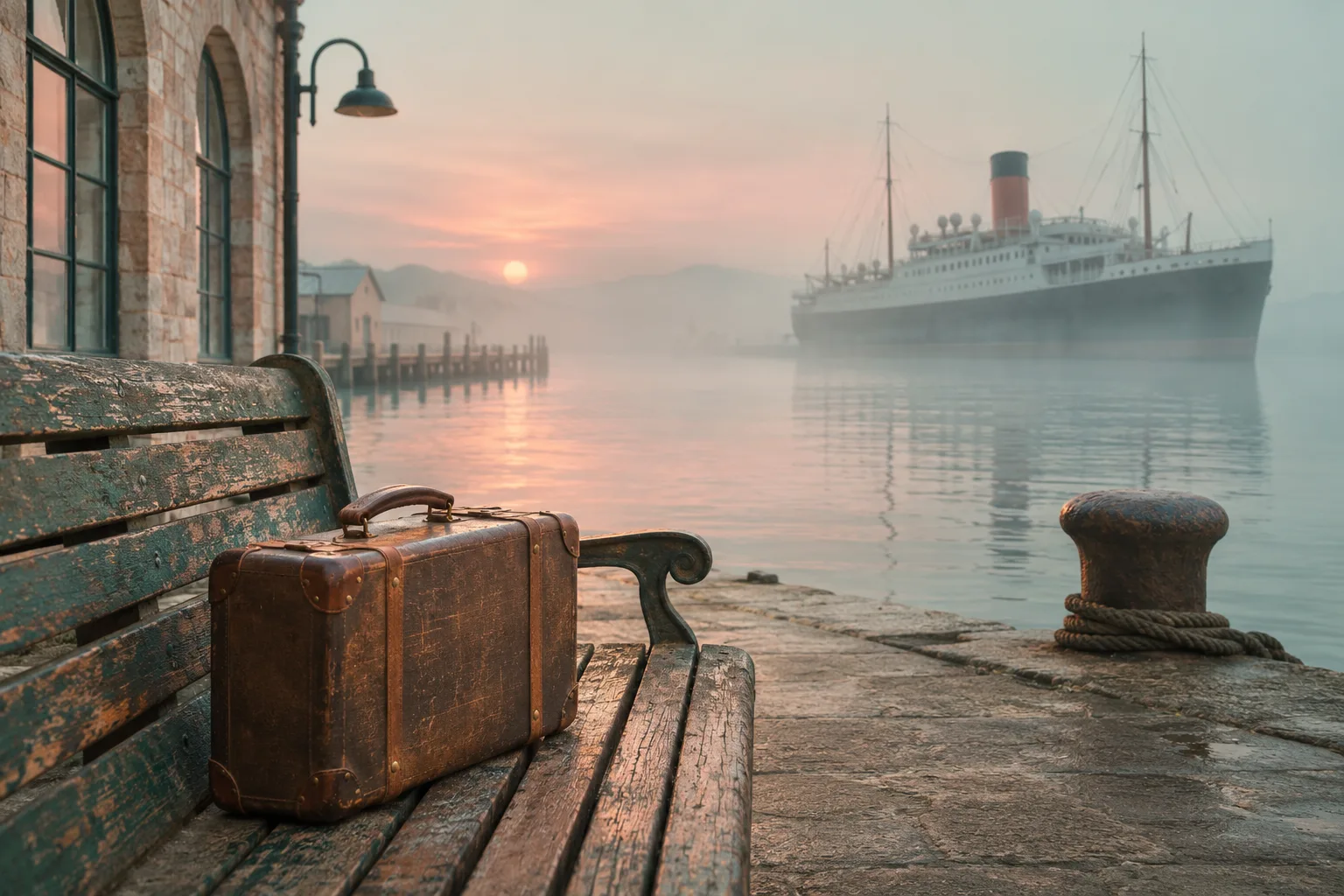
People move for many reasons, and often for more than one reason at once. Work, education, family ties, safety, political change, environmental conditions, and personal hopes can all shape a journey. Some moves are planned over years; others happen quickly. Some people cross a national border, while others relocate within the same country. A careful story starts with the person’s own description of what happened.
Build the story around time and place
Instead of beginning with a label, locate the events. What place did the person leave? Where did they go first? Did they stay in one place along the way? When did the move happen, and what was changing in the family or community at that time? A simple timeline can show where memories are clear and where dates need more research.
Places can mean more than borders on a map. A neighborhood, port, farm, apartment, school, workplace, or community center may hold the everyday details that make a journey understandable. Record local names and former names when possible; place names change, and different family members may use different versions.
Notice agency without ignoring constraints
People make decisions within conditions they may not control. A family can actively plan a move while facing limited options. Someone can feel relief about leaving and grief for what they left behind. Good storytelling avoids forcing a simple choice between “voluntary” and “forced” when the person’s experience includes both decisions and pressure.
Ask which choices were available at the time, who took part in making them, and what the person wishes others understood. Do not assume that everyone in a family remembers the decision in the same way. Differences are part of the history, not a problem to smooth away.
Follow the everyday thread
Large historical events help explain the conditions around a move, but everyday life gives the story texture. What did the family bring? How did they find housing, work, school, or community? Which routines changed first? What language did people use at home and in public? These questions can connect a household’s memory with a wider history without reducing a person to a symbol.
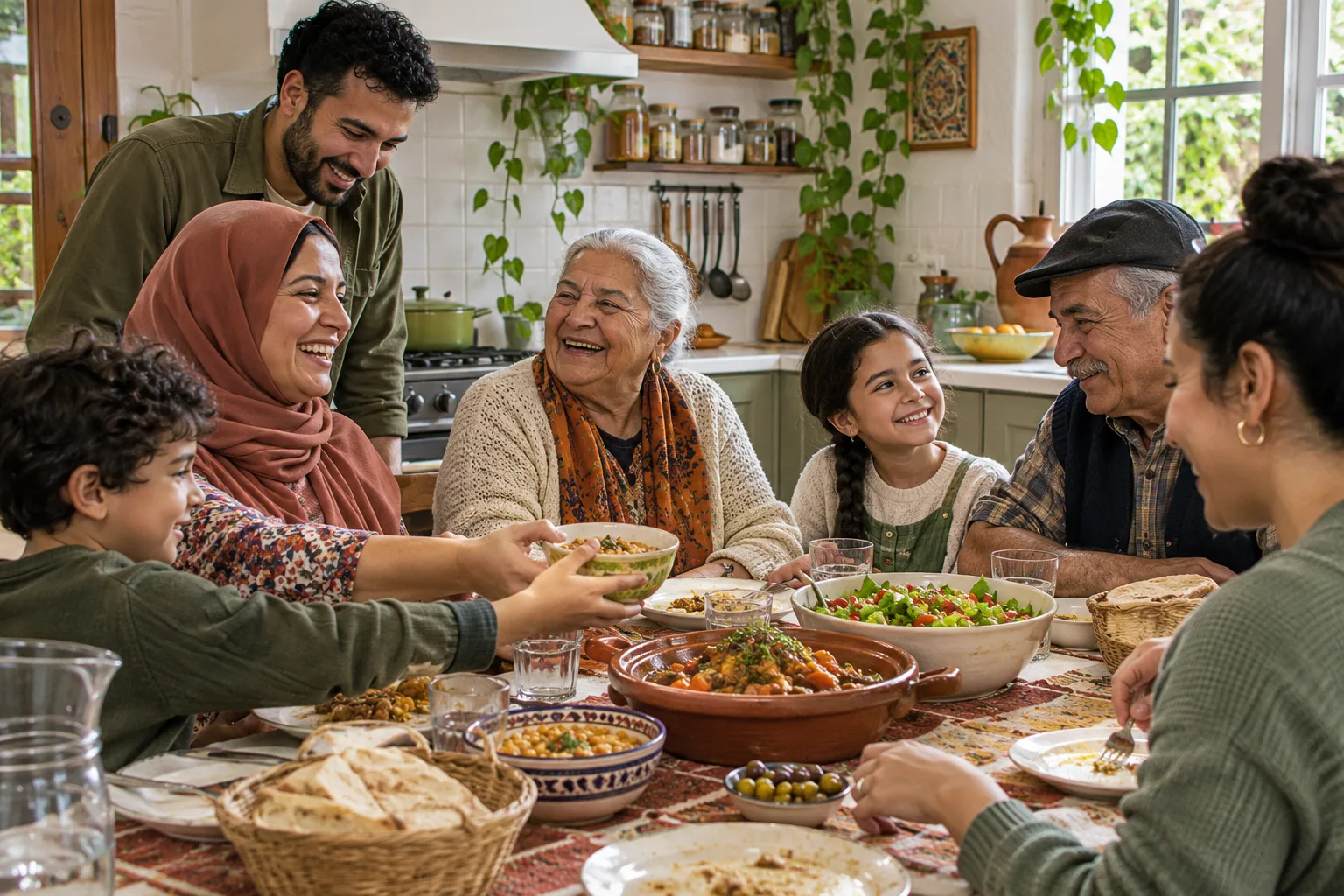
Family, community, and daily routines can shape how a new place begins to feel familiar.
Interview with care
Ask permission before recording or sharing someone’s words. Explain where the story may appear and let the speaker choose what to keep private. Offer to pause, skip a question, or stop. If the speaker uses a phrase in another language, preserve it accurately and ask how they want it translated. Translation can carry interpretation, so keep the original when the speaker agrees.
Questions that invite reflection are usually more useful than questions that demand a dramatic moment. Try “What do you remember about the first month?” or “Which part of the move surprised you?” Leave silence; people may need time to place a memory.
Keep uncertainty visible
Family stories often contain approximate dates, conflicting recollections, or details that have changed in retelling. Record the version each person shares and note the source. Use labels such as “around 1978,” “according to my aunt,” or “not yet confirmed.” This is more honest and useful than turning an estimate into a fact.
A respectful story checklist
- Use the person’s preferred name and language for their experience.
- Separate firsthand memory from family retelling and archival evidence.
- Ask about consent and review before public sharing.
- Include the places, relationships, and ordinary routines that give context.
- Let people hold mixed feelings without assigning them a single lesson.
Remember what the story cannot do
One account can be powerful, but it cannot represent every person who shares a nationality, migration route, religion, or language. Pair individual stories with context and, where appropriate, other perspectives. Avoid presenting a family’s private history as a universal pattern.
Use the Family History guide to organize an interview and the Learning Library to plan responsible research.